

TENGA UK case study
From zero to £360K: building and selling TENGA UK
How a specialist adult-wellness ecommerce store was rebuilt on Shopify, scaled through SEO, email, product launches and Amazon, and ultimately acquired by the brand's European subsidiary.
Growth at a glance
Built from no existing traffic into an established UK ecommerce asset
TENGA UK began with a small product range and no inherited store traffic. Over the following decade, it grew into a substantial specialist retailer with strong organic visibility, a large customer database and an established marketplace presence.
The starting point
Rebuilding the UK store after the original webstore was unavailable
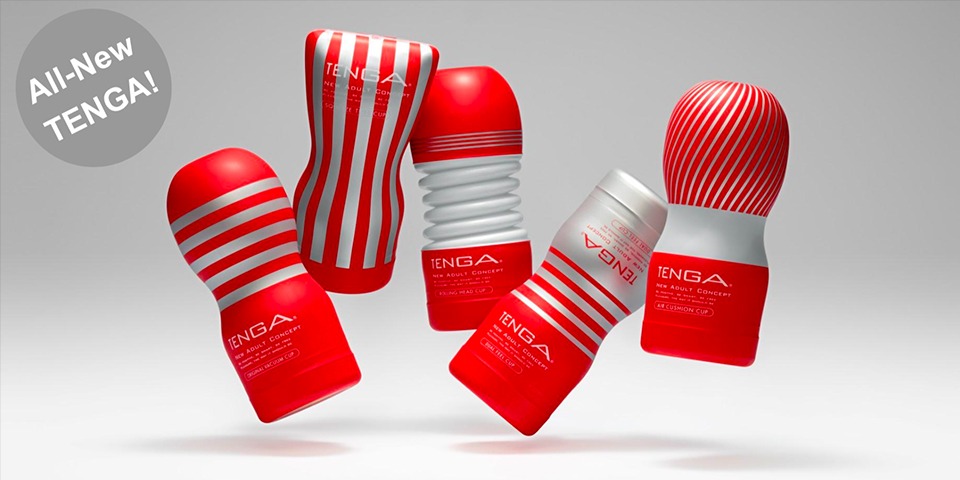
Before TENGA UK launched, Daniel's future business partner already had a direct relationship with the manufacturer through an earlier distribution company holding UK and Ireland rights. That arrangement ended following a business-partner dispute and buyout, after which TENGA moved away from the former structure and selected several UK wholesalers to carry its products. A direct-to-consumer store had previously been developed in partnership with a major adult retailer. When the tenga.co.uk domain was reclaimed, the existing webstore was not transferred with it.The domain returned, but the ecommerce business behind it had to be built again from the ground up.
The first rebuild
A custom Joomla store created a second operational challenge
The replacement store was initially built from scratch by an external developer. Although technically functional, its design and administration created significant friction.
Complex CMS
Joomla proved difficult to manage for the day-to-day requirements of a growing ecommerce catalogue.Five-step checkout
The purchasing journey included an unnecessarily long checkout process that increased customer effort.Limited agility
Product launches, promotional updates and routine catalogue work were more difficult than the business required.
Discovering Shopify
The store was rebuilt again with ecommerce operations in mind
After discovering Shopify, Daniel began the store build again, on a platform better suited to product management, checkout, promotions, analytics and future growth. He entered the new business with a 40% shareholding, rising to 49% once the store reached £100,000 in annual revenue — a target achieved in year two. As the other shareholder became largely silent operationally, Daniel assumed responsibility for almost every aspect of the ecommerce business.Operator-led ecommerce
One person covering the complete commercial operation
The work extended far beyond website design. Growth required ongoing involvement across customer acquisition, merchandising, supply, fulfilment and brand development.
Shopify development
Store design, navigation, catalogue structure, collection development and conversion improvements.SEO, copy and paid acquisition
Product descriptions, metadata, collection copy, launch pages and ongoing organic-search optimisation, supported by Google advertising where platform policies permitted — paid social was largely unavailable.Email marketing
Product launches, promotional campaigns, customer communication and development of a 30,000-plus subscriber audience.Amazon retail
Marketplace listings, stock, fulfilment and price competition were managed as the business became the official UK Amazon retailer.Business operations
Customer service, fulfilment, supplier relationships, analytics, affiliates and launch planning.Organic growth
Building search visibility without an existing audience
The store launched with no inherited traffic, so growth initially depended on organic search and paid Google advertising. The exact-match UK domain provided a strong foundation, but months were spent expanding and improving product information, sometimes using the Japanese store and approved wholesale sources to understand products more fully.- Original product descriptions were researched and expanded.
- SEO metadata was improved across more than 100 products.
- Collections were reorganised to support product discovery.
- An affiliate network provided another acquisition route.
- Email supported launches, promotions and repeat purchasing.
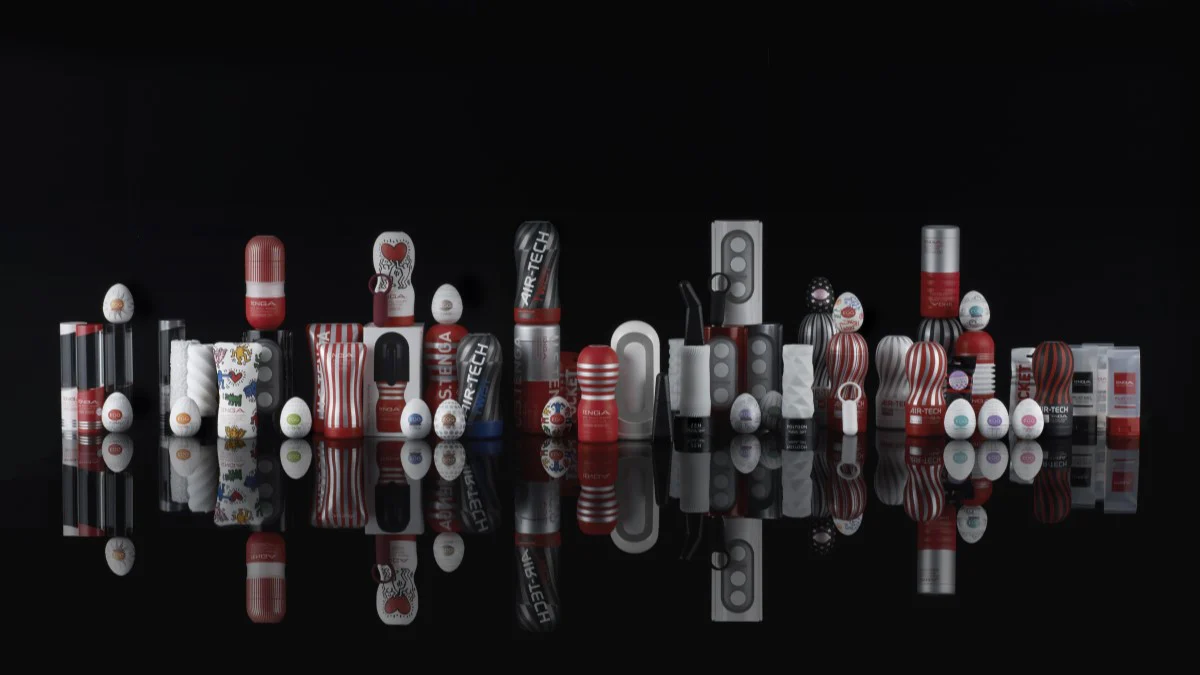
The independent UK store ultimately outranked the manufacturer's main website in UK search results for relevant branded searches.
This historic ranking result is based on direct operational observation during the period in which the store was managed. Historical Search Console access is no longer available.

Rebuilding manufacturer trust
Moving from indirect European sourcing to authorised reseller
Following the collapse of the earlier distribution arrangement, the new business initially relied on wholesalers in the European Union — workable until Brexit introduced sourcing and import complications, which also created a reason to reopen direct conversations with TENGA. Rebuilding that relationship took several years of consistent trading and communication. The business eventually gained authorised-reseller status and restored a direct channel to the manufacturer.Ten-year growth timeline
From launch to strategic acquisition
2014: Store launched
The new TENGA UK ecommerce business began through tenga.co.uk with a small catalogue and no existing website traffic.Year two: £100,000 revenue milestone
The store reached its first major annual revenue target, increasing Daniel's shareholding from 40% to 49%.Catalogue and audience growth
The range expanded beyond 100 products while the email audience grew to more than 30,000 subscribers.Official UK Amazon retailer
The business became the official UK Amazon retail channel for the brand while continuing to operate the independent Shopify store.Global lockdown period: £360,000 peak
Online demand increased sharply. The business doubled down on stock, campaigns, launches and ecommerce activity, reaching peak annual net sales of approximately £360,000.November 2024: Sale agreement reached
Almost exactly ten years after launch, agreement was reached for TENGA's European subsidiary to acquire the UK ecommerce assets.February 2025: Operational transfer completed
The Shopify store and associated digital assets were transferred, with the core handover completed within approximately 24 hours.Peak trading period
Responding aggressively when online demand accelerated
The global lockdown period produced a widespread increase in ecommerce demand. Rather than taking a passive approach, the business increased its commitment to stock, promotions and online trading, helping TENGA UK reach approximately £360,000 in annual net sales after discounts and refunds. Sales gradually reduced after lockdown restrictions were lifted, but the business retained a substantial trading base. A later twelve-month period still produced approximately £230,000 in revenue from around 4,000 orders and 109,000 website visitors.Approximately £230,000
Generated during a later twelve-month period after lockdown demand had normalised.Approximately 4,000
Orders recorded during the same later trading period.Approximately 109,000
Website visitors during that later twelve-month snapshot.Campaign readiness
When national exposure arrived without retailer coordination
A specific product model in the range, the TENGA GEO (unrelated to search-visibility "GEO" work elsewhere on this site), was featured through a television promotion organised by the manufacturer's central public-relations team. The UK ecommerce operation was not informed in advance.

Commercial lesson
Media attention only becomes sustained revenue when the retailer, inventory plan, fulfilment operation and campaign timetable are aligned before exposure begins.Category constraints
Growing an ecommerce brand with limited mainstream advertising
Adult-wellness retail presents restrictions that many conventional ecommerce businesses do not face. Social advertising was effectively unavailable, making owned channels and organic visibility especially important.
Paid social restrictions
Mainstream social-media advertising could not be relied upon as a scalable customer-acquisition channel.Limited pricing control
The retailer could not independently control both its purchase price and final selling price, while wholesalers and other Amazon sellers frequently competed on price within the same marketplace.Supply dependency
Product availability and launch timing depended on the manufacturer and wider wholesale network.Channel dependence
Organic search, email, affiliates, Google advertising and Amazon carried greater strategic weight.No control over purchase price and no control over selling price means no real control over commercial risk.
Strategic inflection point
The manufacturer launched its own UK direct-to-consumer store
TENGA subsequently launched a separate UK-facing ecommerce store through its main international domain. The new store did not immediately cause a substantial reduction in TENGA UK's trading volume, but it changed the long-term strategic position of the independent retailer. The manufacturer now had its own direct route into the same market, while the independent business retained the exact-match UK domain, established organic visibility, a customer database and ten years of operating history — making a conversation about the future ownership of tenga.co.uk commercially necessary.The independent store held a strategically important UK asset
The value was not limited to the domain name. It included the established customer journey, product catalogue, search authority, email audience and years of market recognition attached to it.- Exact-match UK domain
- Established branded search rankings
- Ten years of operating history
- Existing customers and email subscribers
- Complete Shopify trading infrastructure
The strategic sale
Acquired by TENGA's European subsidiary after almost ten years
The sale agreement was reached in November 2024. The operational transfer was completed in February 2025 by the brand's European subsidiary based in Düsseldorf, Germany.
The financial terms of the transaction and details of any other domain assets are not disclosed in this case study.
A decade of trading created a layered digital asset
The buyer acquired accumulated customer demand, operating systems, content, data and search authority rather than a newly created website.- Proven UK sales history
- Established organic visibility
- Marketplace operating experience
- Customer and subscriber data
- Product and promotional content
What created acquisition value
The buyer acquired more than a website
Beyond the assets already listed above, the value of TENGA UK had been created gradually through years of trading, customer acquisition, content development and operational learning — most notably:- Proven UK revenue and order history.
- Search rankings built up over ten years.
- Brand recognition within the UK market.
- An established Amazon retail presence.
- Ten years of specialist market knowledge.
The handover
Ten years of work transferred in approximately 24 hours
Once the transfer date arrived, the core Shopify store and digital assets were handed over quickly. Daniel's involvement ended after the transaction and operational transfer were completed.
November 2024
Commercial agreement was reached almost exactly ten years after the ecommerce business first launched.February 2025
The store, domain rights, customer assets and related digital operation moved to the European subsidiary.Approximately 24 hours
The main technical and operational store-transfer process was completed within one day.Clean exit
Daniel was no longer operationally involved after the handover was complete.Founder lessons
What ten years of specialist ecommerce demonstrated
Owned search visibility compounds
Product content, metadata, internal structure and domain authority created value that accumulated over many years.Email protects restricted categories
An owned audience became especially important when paid-social advertising was not a dependable option.Launch speed matters
Quickly creating product pages, campaigns and email communication helped the store capture demand around new products.Platforms must fit operations
Replacing the Joomla store with Shopify reduced friction and made sustained catalogue development possible.Revenue is not the same as control
Strong turnover could not remove the risk created by limited control over buying and selling prices.Digital assets create exit value
The domain, customer database, content, rankings and operating systems made the business strategically valuable to the brand.Build a stronger ecommerce asset
Your store should create value beyond today's sales
Cape Wired helps product-led businesses improve Shopify operations, organic visibility, content, customer journeys and owned digital assets with a practical operator-led approach.Revenue and audience figures are historic operational figures supplied by the former TENGA UK operator. Historical platform access is no longer available following the February 2025 acquisition and transfer. Results achieved by one ecommerce business do not guarantee equivalent outcomes for another.